At some point after 60, many people notice something has changed socially.
Not in a dramatic way.
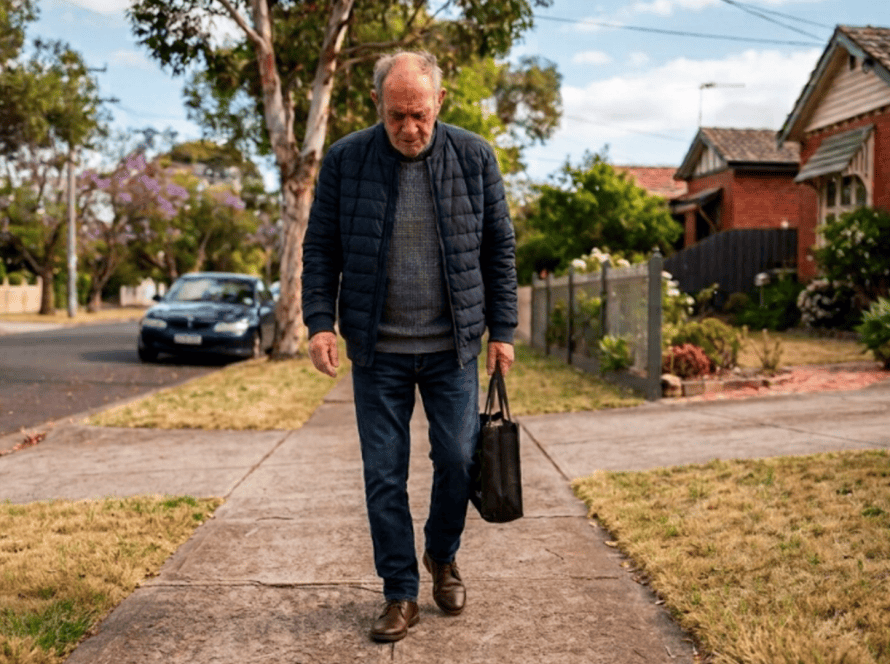
Just quietly.
You might see fewer people during the week. Conversations become less regular. The routines that once made connection feel automatic start to disappear.
And suddenly, making new friends later in life can feel harder than expected.
The good news?
You are far from the only person feeling this way, and building meaningful connection after 60 is absolutely possible.
Why Making Friends Feels Different After 60
When we’re younger, friendships often happen naturally.
Through work.
Through kids.
Through neighbours.
Through shared routines and busy schedules.
You see the same people regularly, conversations happen naturally, and connection builds over time.
But later in life, those natural meeting points can change.
People retire.
Families get busy.
Friends move away.
Life becomes quieter and more independent.
Without realising it, opportunities for regular social connection can shrink.
And that’s often why meeting new people after 60 can feel unfamiliar, not because you’ve forgotten how to connect, but because the structure around connection has changed.
You’re Not the Only One
One of the biggest misconceptions about loneliness after 60 is that it only happens to “other people”.
In reality, many adults over 50 experience periods of social isolation or disconnection, even if they don’t talk about it openly.
And it’s not about personality.
You don’t have to be shy for this to happen.
Often, it simply comes down to routine, opportunity, and having regular places where connection can naturally grow.

Why Social Connection Matters
Friendship and social connection are not just “nice to have”.
Research consistently shows that staying socially connected supports:
- Better mental wellbeing
- Higher energy levels
- Improved confidence
- Better cognitive health
- Lower stress and loneliness
- Greater motivation to stay active and engaged
Sometimes, having someone to chat with, laugh with, or simply recognise during the week can make a bigger difference than people expect.
Healthy ageing is not only physical.
Connection matters too.
The Mistake Many People Make
One reason making friends after 60 can feel awkward is because people put too much pressure on it.
We assume friendship should happen instantly.
That every interaction needs to become something deep or meaningful straight away.
But most friendships don’t actually begin that way.
Usually, they start much smaller:
- A quick conversation
- Seeing the same person regularly
- Sharing an activity or class
- A familiar face becoming familiar company
That’s how real connection tends to grow.
Slowly.
Naturally.
Without forcing it.
A Simpler Way to Meet People After 60
Instead of focusing on:
“How do I make new friends?”
It can help to ask:
“Where can I regularly spend time around other people?”
That shift changes everything.
Because connection usually grows through consistency.
That might mean:
- Joining a regular walking group
- Attending a weekly class
- Visiting the same café
- Becoming part of a local community group
- Joining a social or wellness club
When you see the same people often enough, conversations become easier.
And over time, those small interactions start turning into genuine connection.
Why the Right Environment Matters
The environment around you makes a huge difference.
Connection feels easier when:
- People are at a similar stage of life
- There’s no pressure to “fit in”
- Activities feel relaxed and welcoming
- Conversation happens naturally alongside movement or shared experiences
That’s why community-focused spaces matter so much after 50.
You’re not there with the pressure of “making friends”.
You’re simply showing up, being around others, and allowing connection to happen naturally.
At Monday Club, we see this every day. Often the first thing people gain is not fitness, it’s familiarity, confidence, and a sense of belonging.
A Better Question to Ask
Instead of asking:
“How do I make friends after 60?”
Try asking:
“Where could I go regularly where I’d see the same people each week?”
Because friendship after 60 is rarely about trying harder.
It’s about showing up consistently.
And letting connection build from there.
The Takeaway
You do not need a huge social circle to feel connected.
Often, it’s the smaller things that matter most:
A familiar face.
A conversation after class.
Someone remembering your name.
A place where you feel comfortable showing up.
That’s what belonging looks like.
And sometimes, that’s exactly where healthy ageing begins.