
Is dark chocolate good for you, or bad for you?
Do you have a craving for something sweet after dinner each night and think dark chocolate, because you have been told it’s good for you?
Jill does reach for the dark chocolate because it is regularly positioned as helping blood flow and cholesterol, but I am skeptical, so I did a Google search.
Cocoa solids are a good source of flavanols, which has potential health benefits such a helping to lower blood pressure and making blood vessels more flexible.
Chocolate is made from beans from the fruit of the cacao tree. These beans are fermented, dried and roasted to make cocoa nibs (small crunchy bits) which are ground to a paste called chocolate ‘liquor’.
This ‘raw’ chocolate liquor is separated into two main components: cocoa solids (the non-fat part) and cocoa butter (the fat).
Different types of chocolate contain different amounts of these, which is why dark, milk and white chocolate taste and feel so different.
Dark chocolate is made from cocoa solids (35 to 90 per cent cocoa solids), cocoa butter and sugar.
Milk chocolate is made from cocoa solids (generally less than 35 per cent), cocoa butter, sugar and milk powder. Milk chocolate often contains more sugar than dark.
White chocolate is technically not a ‘real’ chocolate as it contains no cocoa solids, only cocoa butter, sugar and milk powder.
In a 2025 review of human trials, flavanol-containing foods (including cocoa, tea and some fruits) were seen to potentially reduce the risk of heart and circulatory diseases.
The US Academy of Nutrition and Dietetics has estimated that 400 to 600mg of flavanols per day from all food sources (including cocoa, black and green tea, grapes and berries) may help support heart health.
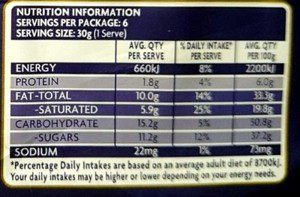
The actual amount of flavanols in commercial chocolate varies a lot. According to nutrient databases:
- 20g dark chocolate contains between 22 to 73mg flavanols.
- 20g milk chocolate contains between 3 to 7mg flavanols.
So 20g (2 x 10g squares of dark chocolate) will give you about 50mg flavanols, which s around 12% of your daily requirement to help your health, but also:
- 115 kcal
- 8g fat
- 5g saturated fat
- 6g sugar.
These figures aren’t as supportive of good health.