Every year or so it is likely your GP conducts cholesterol-checking blood tests. Do you understand the process and the results?
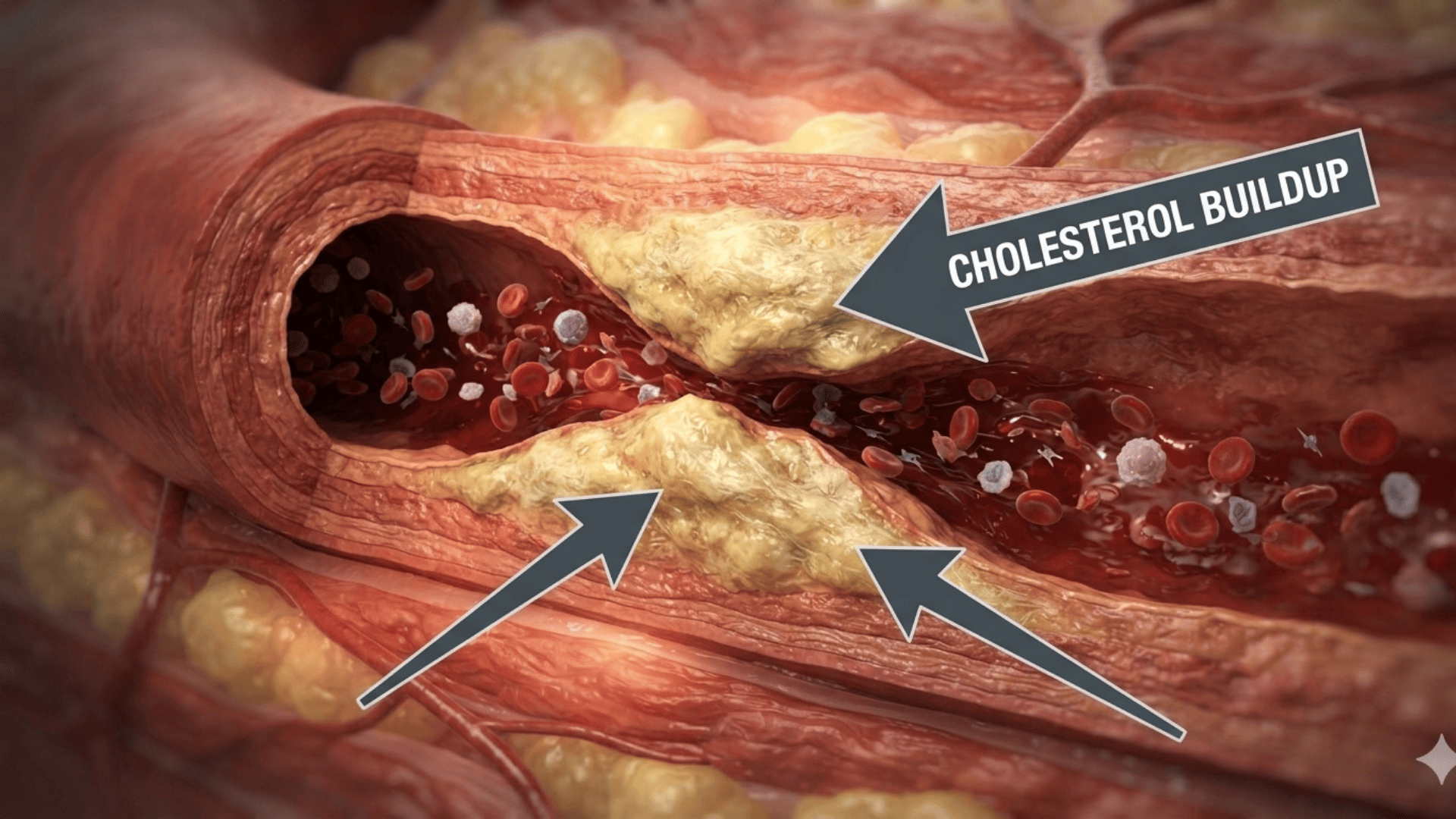
Cholesterol is a fatty substance your body needs to function properly. However, having too much cholesterol in the blood, particularly LDL cholesterol, can contribute to fatty deposits building up in the arteries and increase the risk of heart disease and stroke.
The key tests and checks
Lipid profile — the most important blood test
This generally measures:
- Total cholesterol
- LDL cholesterol (“bad” cholesterol)
- HDL cholesterol (“good” cholesterol)
- Triglycerides
- Often the total cholesterol/HDL ratio is reported.
Other tests are:
Blood pressure
Blood pressure is combined with cholesterol and other factors to calculate overall cardiovascular risk. While your target should remain under 120/80 mmHg, typical results are categorized as follows:
- Optimal: Less than 120 systolic and less than 80 diastolic.
- Normal: 120 to 129 systolic and/or 80 to 84 diastolic.
- High Normal / Elevated: 130 to 139 systolic and/or 85 to 89 diastolic.
- High (Hypertension): 140/90 mmHg or higher.
Kidney function
Kidney disease is an important cardiovascular risk factor, so tests such as creatinine and eGFR may be appropriate.
Liver function tests
These may be requested when investigating possible causes of abnormal cholesterol or when monitoring someone taking cholesterol-lowering medication.
What is each of these markers and what is ‘normal’
Total cholesterol
This is the overall amount of cholesterol in your blood. As a general guide, a level below 5.5 mmol/L is often regarded as desirable, although your individual target may be lower depending on your cardiovascular risk.
LDL cholesterol – the “bad” cholesterol
LDL can contribute to fatty build-up in the arteries. Generally, below 2.5 mmol/L is considered a useful general guide, but people at higher cardiovascular risk may have a lower target. LDL is particularly important when assessing cardiovascular risk.
HDL cholesterol – the “good” cholesterol
HDL helps transport cholesterol away from the arteries. A level of 1.0 mmol/L or higher is generally considered favourable.
Triglycerides
These are another type of fat in the blood. A level below 2.0 mmol/L is generally regarded as desirable.
Total cholesterol-to-HDL ratio
Your GP may also report this ratio. A lower ratio is generally more favourable, although it should not be considered on its own when assessing your heart health.
What do the numbers mean for you?
There is no single cholesterol level that is right for everyone over 50. Your GP will consider your cholesterol results alongside your age, blood pressure, diabetes status, smoking history, family history and other factors when assessing your overall cardiovascular risk.
If your cholesterol is higher than recommended, regular physical activity, a heart-healthy diet and maintaining a healthy weight can help. Some people may also benefit from cholesterol-lowering medication prescribed by their GP.
These figures are general guides, not personal treatment targets. Always discuss your results and individual targets with your GP.